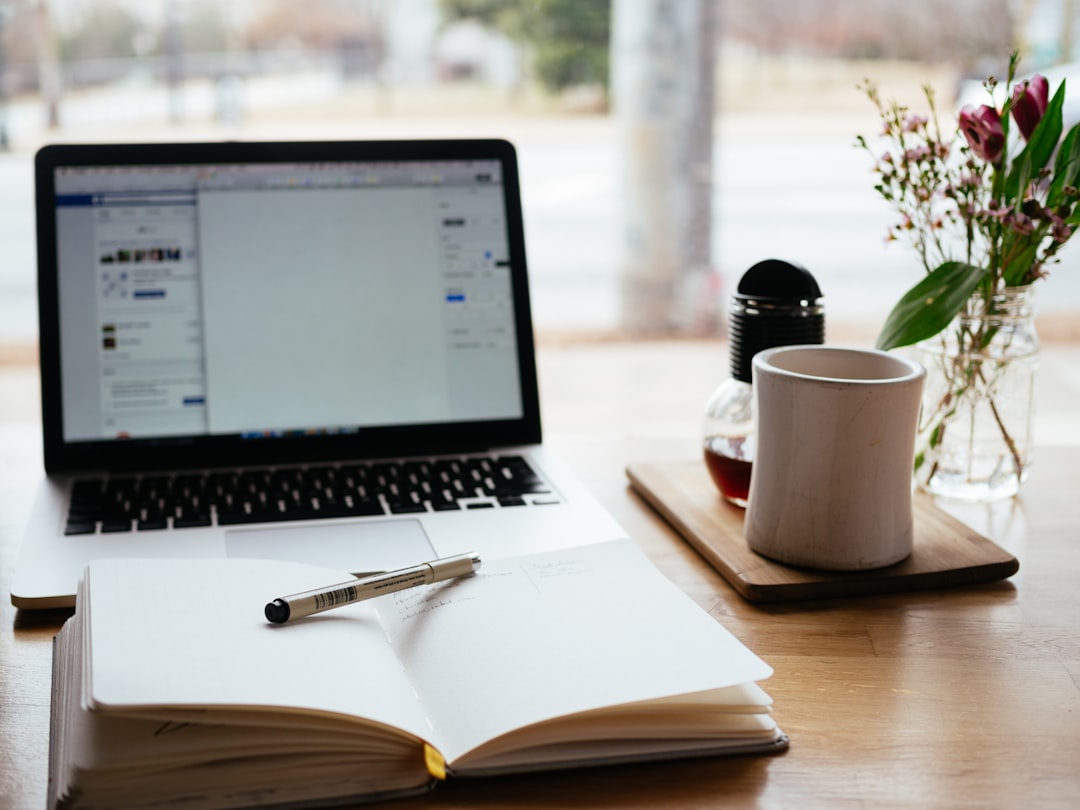
Choosing a full album for late-night listening is different from picking a handful of songs. The best record for the hour depends on your attention, surroundings, energy level, and tolerance for lyrical or emotional intensity. This guide compares concept records, dream pop, jazz, ambient-leaning music, and other immersive albums so you can choose what to listen to from start to finish tonight, with a simple worksheet for remembering what stayed with you.
Overview
A strong late-night album creates a sense of movement without demanding the same kind of attention as a film. Some records reward close listening, revealing recurring images, transitions, and narrative turns. Others work as atmospheric company while you read, travel, cook, or wind down. Neither approach is better; the useful distinction is knowing which one fits your night.
The recommendations below are organized by listening experience rather than by critical ranking. Release years and runtimes are approximate because editions, bonus tracks, and streaming versions can differ. “Background” means the album remains satisfying when your attention drifts. “Focused” means the record benefits from uninterrupted listening, headphones, or a quiet room.
| Album | Style | Year | Approx. runtime | Best setting | Lyrical intensity | Instrumental balance | Standout track | Best mode |
|---|---|---|---|---|---|---|---|---|
| Talk Talk — Spirit of Eden | Art rock, atmospheric jazz | 1988 | 41 min | Headphones, low light, no distractions | Moderate | High | “The Rainbow” | Focused |
| Cocteau Twins — Heaven or Las Vegas | Dream pop | 1990 | 37 min | Night drive or quiet room | Low to moderate | High | “Heaven or Las Vegas” | Background or focused |
| Portishead — Dummy | Trip-hop | 1994 | 50 min | Rainy evening, solitary listening | High | Balanced | “Roads” | Focused |
| Brian Eno — Ambient 1: Music for Airports | Ambient | 1978 | 48 min | Reading, late work, decompression | Minimal | Very high | “1/1” | Background |
| Marvin Gaye — What's Going On | Soul, concept album | 1971 | 35 min | Reflective listening, conversation afterward | High | Balanced | “What's Going On” | Focused |
| Joni Mitchell — Hejira | Jazz-inflected singer-songwriter | 1976 | 53 min | Long drive or solitary thinking | High | Balanced | “Amelia” | Focused |
| Kamasi Washington — The Epic | Contemporary jazz | 2015 | Nearly three hours | Open-ended weekend listening | Low to moderate | Very high | “Clair de Lune” | Focused or immersive background |
| Sade — Love Deluxe | Sophisti-pop, soul | 1992 | 46 min | Late dinner, evening reset | Moderate | Balanced | “No Ordinary Love” | Background or focused |
| Fennesz — Endless Summer | Glitch, ambient | 2001 | 48 min | Screen-free reflection | Minimal | Very high | “Endless Summer” | Focused |
| David Bowie — Low | Art rock, electronic | 1977 | 39 min | Transition between energy and sleep | Moderate | High | “Sound and Vision” | Focused |
This is a starting shelf, not a definitive canon. For a softer route into late-night music, pair the table with our late-night playlist guide. A playlist is useful when you want control over mood and duration; a full album is better when you want to surrender some control to sequencing.
How to compare options
Start with the practical conditions of the night, then choose the album’s emotional temperature. Four questions usually narrow the field quickly.
- How much attention can you give? If you are reading or working, choose ambient, dream pop, or a record with spacious arrangements. If you want an event, choose a concept album or a lyrically dense singer-songwriter record.
- Do you want words or texture? Albums such as What's Going On and Hejira reward attention to language. Music for Airports and Endless Summer put the emphasis on timbre, repetition, and space.
- Should the record change your mood or match it? A subdued album can deepen a reflective mood, while a more rhythmic record can gently move you out of a long day. Decide whether you want companionship or contrast.
- How much time do you have? A concise record is easier to hear as a complete arc. Longer albums can be ideal for an unhurried weekend, but they are less suitable when you have a firm bedtime or a short commute.
Also consider the listening environment. Bright speakers in a busy room may flatten an album built around quiet detail. Headphones can make a short record feel more immersive, while speakers make some vocal or bass-heavy albums feel more social. These are preferences, not rules; the useful habit is to match the record’s design to the way you will actually hear it.
Feature-by-feature breakdown
Concept and narrative
A concept record is a good choice when you want the album to feel like a complete statement. What's Going On moves through connected social and personal concerns, while David Bowie's Low creates contrast between concise vocal songs and largely instrumental material. Narrative does not always mean a literal plot. It can mean recurring themes, a deliberate sequence, or a clear shift in atmosphere from opening track to closer.
Dream pop and blurred edges
Dream pop suits nights when you want melody without sharp transitions. Cocteau Twins' Heaven or Las Vegas is especially useful when lyrics are part of the texture rather than the main subject. The record can sit behind a quiet activity, but headphones reveal layers of voice, guitar, and rhythm that reward closer attention.
Jazz, improvisation, and instrumental space
Jazz-led albums are often the strongest option when you want motion without a straightforward lyrical narrative. Spirit of Eden uses restraint, silence, and ensemble dynamics to create a demanding but rewarding listen. The Epic offers a much larger scale, making it better for an open-ended session than a quick wind-down. If you are new to jazz, begin with one uninterrupted track and decide whether you want more density or more space before committing to a longer record.
Electronic and ambient listening
Ambient music is not simply “music with nothing happening.” Its changes are often gradual, so it can support reading or late work without constantly asking for attention. Brian Eno's Music for Airports is a natural background choice, while Fennesz's Endless Summer asks for more focus because its digital textures become more apparent over time. If silence feels too abrupt but lyrics feel distracting, this category is a useful middle ground.
Emotional and lyrical intensity
Some late-night albums are calming because they articulate difficult feelings; others may be too direct for a tired or vulnerable hour. Before pressing play, check the emotional temperature rather than assuming a slow tempo will feel soothing. Dummy, for example, is spacious and measured but carries considerable tension. It works best when you want atmosphere with an edge, not necessarily relaxation.
Best fit by scenario
- For reading or quiet work: Start with Music for Airports or Heaven or Las Vegas. Both can provide continuity without requiring you to follow a story.
- For a reflective solo night: Choose Hejira or What's Going On. Keep your phone away and let the sequencing set the pace.
- For a rainy, cinematic mood: Try Dummy or Spirit of Eden. These are atmospheric, but they reward focused listening more than casual background play.
- For a late drive: Pick an album with a stable flow and clear movement, such as Love Deluxe or Hejira. Use a downloaded or otherwise reliable version where appropriate, and keep volume low enough to stay attentive to the road.
- For an introduction to full-album listening: Choose a record under an hour with a distinct identity, such as Low, Heaven or Las Vegas, or What's Going On.
- For a long weekend session: Give The Epic a larger window, or build a two-album pairing around contrast: one vocal record followed by one instrumental record.
If you want to extend the night from listening into viewing, the music documentaries and concert film guide offers a natural next step. For newly released records, use the monthly new music release radar alongside this evergreen list rather than replacing it.
A first-listen worksheet
Keep these notes in a notebook or phone document after each complete listen:
- What was the album’s first impression, and did that impression change by the closer?
- Which track made you want to replay it immediately?
- Where did the transition between two tracks feel especially effective?
- Did the lyrics, instrumentation, or production carry most of the emotional weight?
- What recurring image, sound, or theme did you notice?
- Would this album work better as background, focused listening, or both?
- What time of night or activity would suit it next time?
- After a day or week, which track or moment stayed with you?
When to revisit
Revisit this guide twice a year, and sooner when a useful new branch of the list becomes available. The main update tasks are straightforward: verify album titles, artists, release years, and approximate runtimes; check that listening links still point to the intended versions; add overlooked records; and rebalance the guide if one genre begins to dominate. Streaming editions can change, so note when a runtime reflects a standard album rather than a deluxe or anniversary version.
Readers can use the same process after every full-album listen. Mark the records that worked, separate “good tonight” from “worth returning to,” and add one adjacent recommendation. If you enjoyed dream pop, move toward ambient or shoegaze. If you preferred narrative albums, try a more lyrically focused soul or singer-songwriter record. If instrumental jazz felt too demanding, choose a shorter, more spacious album before attempting a longer session.
For your next night, pick one album based on the room, your available time, and your desired level of attention. Press play from the opening track, avoid reshuffling on the first pass, and complete three worksheet questions when it ends. That small ritual turns a recommendation into a personal listening library—and gives you a clearer answer the next time you ask what album belongs after midnight.